
Cyndie Taylor, NASMM, NASMM
- aging in place
- downsizing
- senior moves
- real estate
- estate planning
- fraud prevention
- solo aging
Cyndie Taylor is a Senior Move Manager certified by the National Association of Senior and Specialty Move Managers (NASMM) and the founder of Taylor Made Moves. She describes herself as both a caregiver and a senior transition guide — somebody who has lived the work and now does it for other families.
Her practice spans the full arc of a later-life move: planning the floor plan, sorting and rightsizing belongings, coordinating packers and movers, and unpacking the new home so the first morning feels like home and not a project. Most of her clients arrive somewhere between 'we're thinking about it' and 'the house has already sold' — the work bends to meet them where they are.
Cyndie also writes regularly on the topics that show up next to a move: estate planning and the difference between an elder-law attorney and an estate-planning attorney, the legal documents families wish they had finished sooner (power of attorney vs. guardianship), the fraud and identity-theft schemes that target older adults, and the practical realities of solo aging when there isn't an obvious next-of-kin to call.
You can read more about her work at taylormademoves.com.
Articles by Cyndie Taylor

POA vs. Guardianship: what's the difference and why it matters
Power of attorney and guardianship both let one person make decisions for another, but they are built for opposite moments. Here is the plain-language difference, why one is dramatically easier to live with than the other, and how families end up in court when they did not need to.

The home-modification checklist for aging in place: room by room
A practical room-by-room home-modification audit for families staying put — entry, bathrooms, bedroom, kitchen, stairs, and outside. What to do this weekend, what to do this year, and what to call a contractor for.
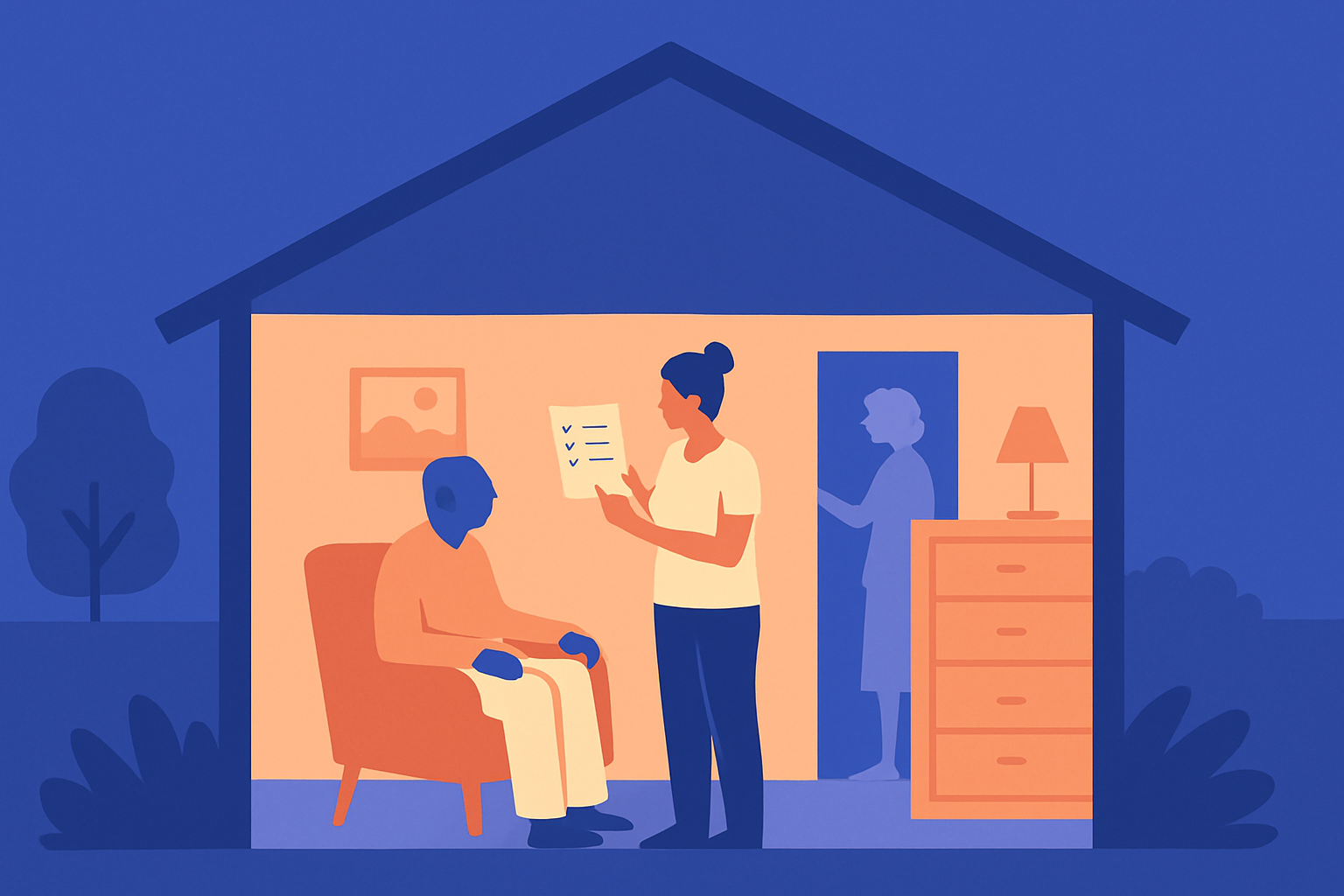
Choosing a Senior Move Manager (NASMM): when, why, how much
A Senior Move Manager is the professional families call when the move itself is the hardest part. Here is the plain-language tour of what they do, when it is worth hiring one, how the NASMM credential works, what fees look like, and the questions to ask before you sign.
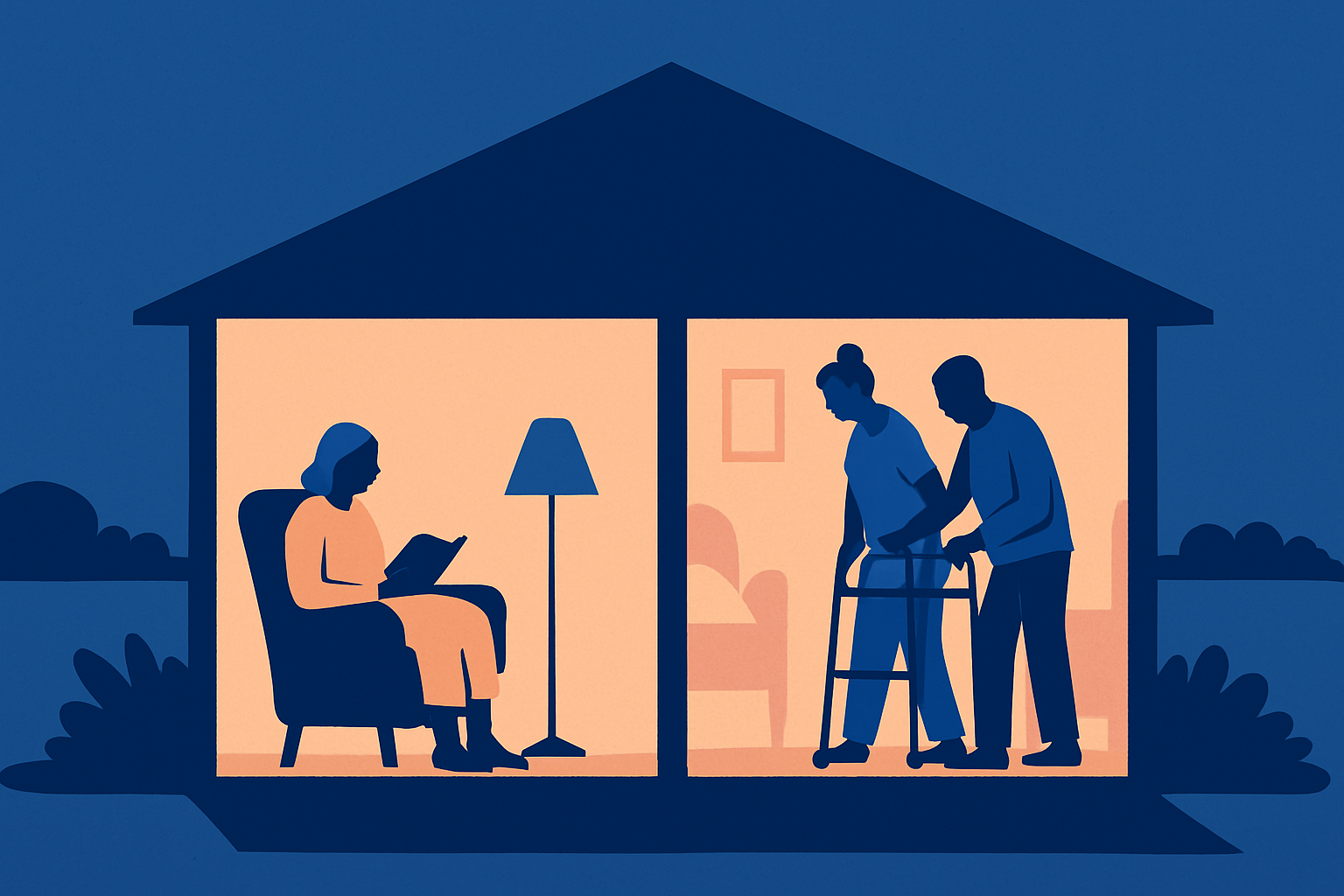
The cost of aging in place vs. assisted living: a side-by-side math
Aging in place is often described as "free" because the house is paid off — but home modifications, in-home care, and the loss of unpaid family hours add up. Here is the honest side-by-side math, with median figures from Genworth and AARP and a worksheet families can run in an afternoon.
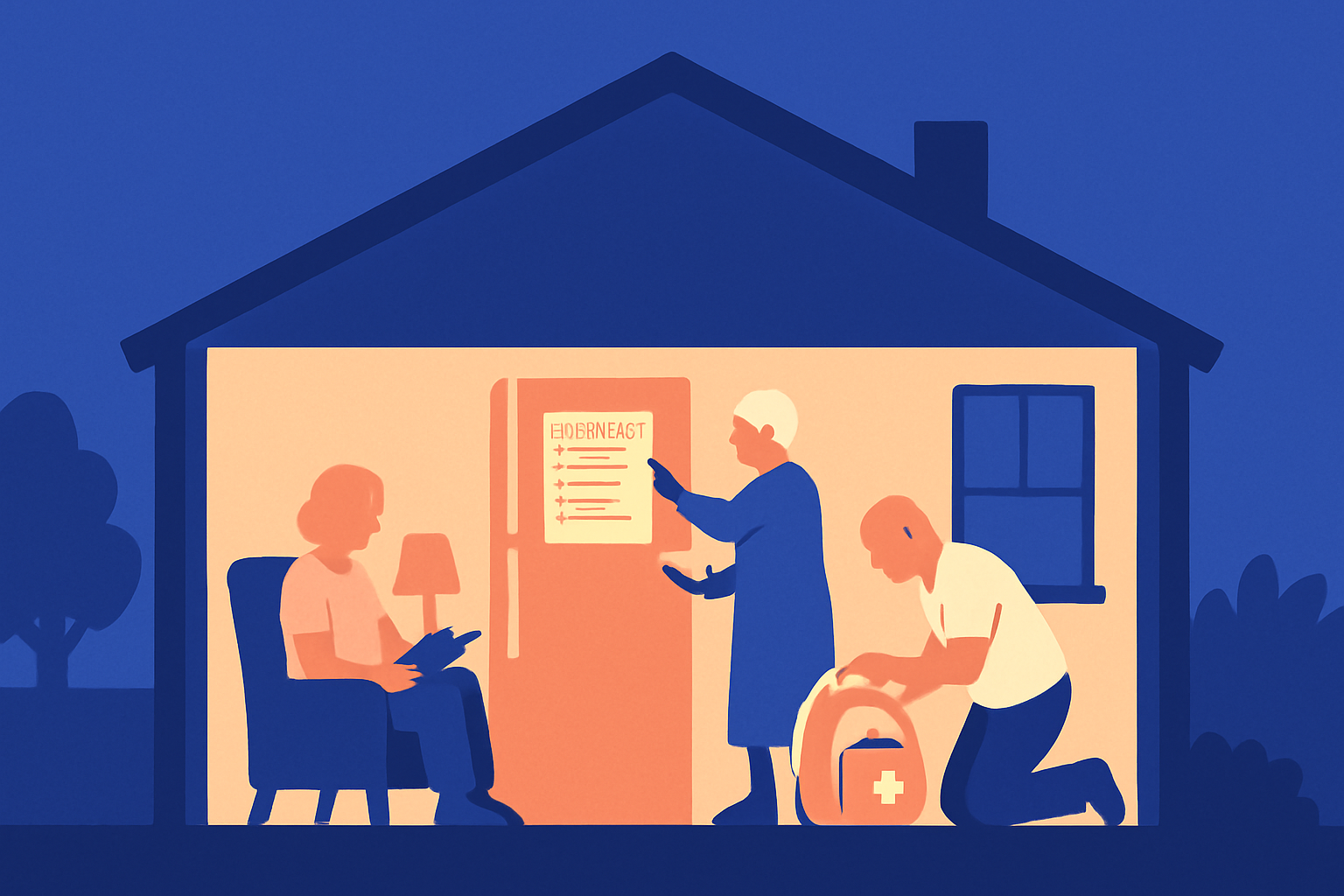
Emergency preparedness for seniors at home
A power outage, a storm, an evacuation, a fall when no one is in the house. Here is the practical emergency-preparedness plan for older adults at home — the fridge sheet, the go-bag, the contact tree, and the technology that actually helps in a crisis.

Independent living vs. assisted living vs. CCRC: a plain-English comparison
The senior-living vocabulary is its own dialect. Here is the plain-English comparison — what each level actually offers, what each one costs, how Medicare and Medicaid interact with each (and where they do not), and how families typically choose between them.
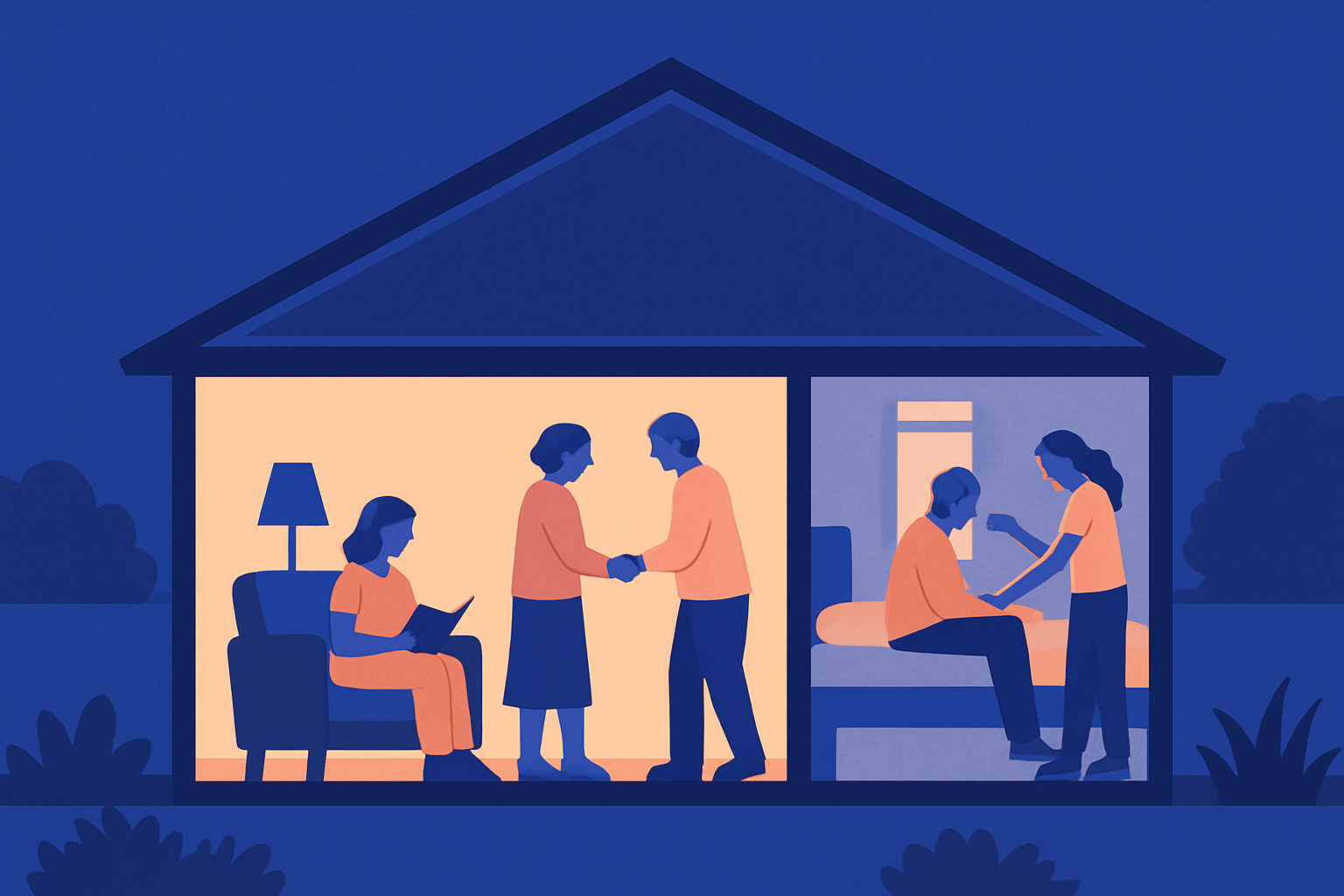
Memory care moves: what changes when dementia is in the picture
A move is hard for any older adult; for a person living with dementia it is one of the highest-risk weeks of the year. Here is what changes — the timing, the choreography of move day, the role of the family, and the small environmental cues that make the new place feel familiar faster.

Selling the family home: what's different about a senior real-estate sale
A long-held family home is rarely a typical real-estate transaction. Here is what makes a senior sale different — capital-gains math, the SRES designation, staging and emotional timing, and how to coordinate with the move so the family does not end up sleeping between two houses.
Senior lighting and home safety: what actually prevents falls
Most falls at home happen in places that look fine in daylight. Here is the honest tour of what older eyes actually need from a home — the lumens, the contrast, the night paths — and the lighting upgrades that move the needle on fall prevention.
The senior move timeline: 3 months, 30 days, the day-of
A planned senior move is dramatically less stressful than an unplanned one — and the difference is mostly in the calendar. Here is the realistic twelve-to-sixteen-week plan, the thirty-day push, and what to do (and not do) on move day itself.

Solo aging and housing: building a plan when you don't have family nearby
Solo agers — older adults without a spouse or adult children involved in their care — make up a growing share of the housing-decision question. Here is the practical playbook for building the personal network, naming the decision-makers, and choosing the home that fits the rest of the plan.

The right-sizing conversation: how to talk to a parent about moving
The hardest part of moving an aging parent is rarely the move itself — it is the first conversation. Here is a calm, repeatable approach for opening it a year before the move is needed, what to ask, what to avoid saying, and how to come back to it without losing trust.
When aging in place stops working: five signs it's time to move
Aging in place is the right call for many older adults — until it isn't. Here are the five honest signals that the family should start the moving conversation, before a fall or a discharge decides for them.
Aging in Place: What it Means and How to Do It Safely
Most older adults want to stay home as they age — but wanting it and planning for it are two different things. This guide covers what aging in place actually r…

A Day in the Life of a Caregiver (And How to Make it Easier
Discuss how to make caregiving easier for the caregiver.

Self-Care for Seniors: How Having Fun Improves Health
Explore accessible activities and hobbies that help seniors build social connections, promote well-being, and reduce isolation. Learn about program options, fi…

Caregiver Self-Care: Yes, You Can Take a Break!
Being a caregiver for an aging family member can be both profoundly meaningful and overwhelming. Regularly scheduled breaks can reduce stress, while giving you…
7 Signs Your Parent Shouldn't Live Alone Anymore
Signs for an adult child or a caregiver to help determine if their parents or senior can no longer be safe living alone
An Ounce of Prevention: Simple Home Changes That Prevent Trips to the ER
“An ounce of prevention is worth a pound of cure." Taking time to consider how to prevent accidents or bigger challenges is well worth the effort.

Caregiver Self-Care: Take a 20-Minute Nature Pill
Caregivers experience high levels of stress, caused by being overwhelmed, isolation, anxiety, and grief. Self-care for caregivers is not a luxury; it's critica…
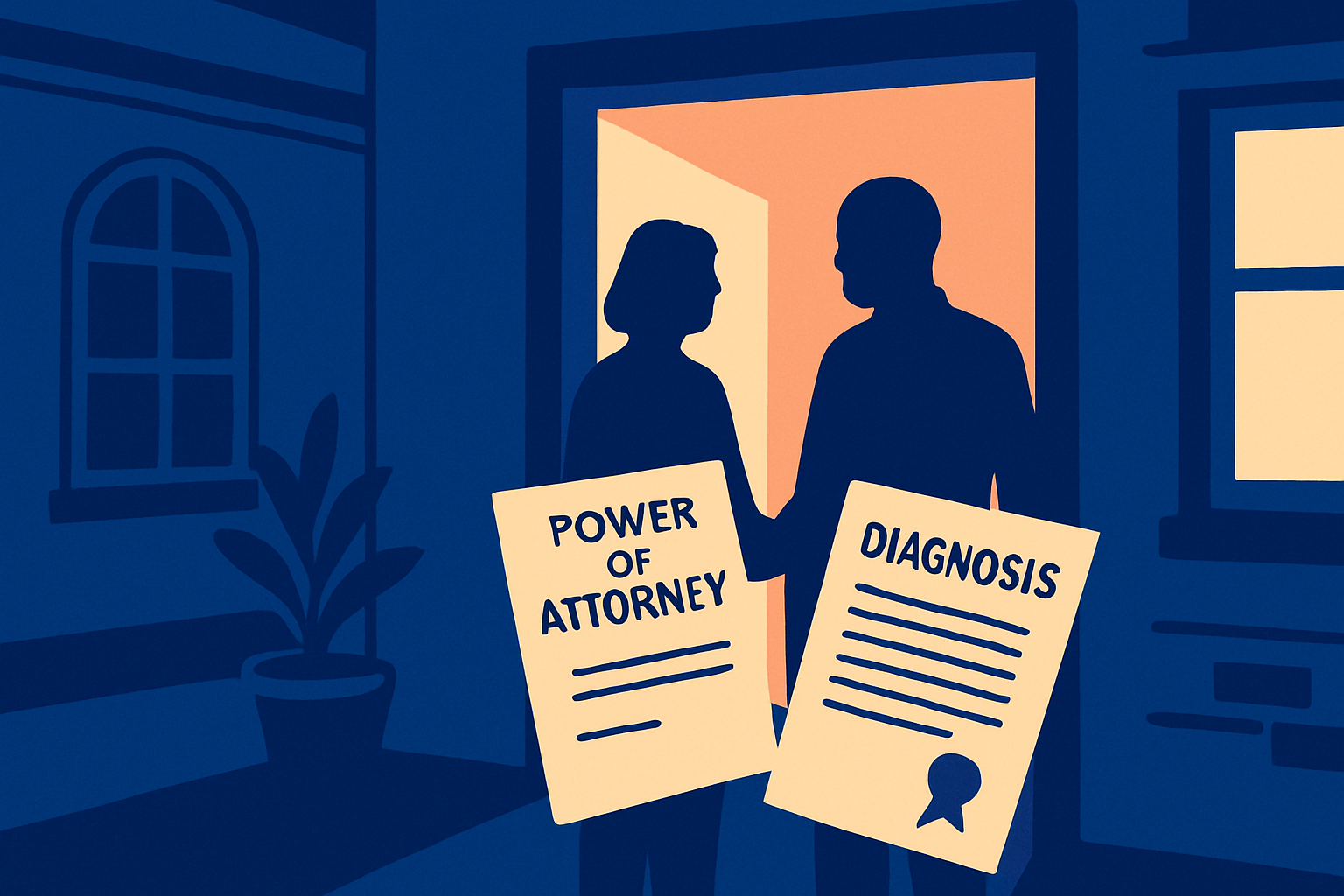
Why POA needs to happen before, not after, the diagnosis
Power of attorney is the document that lets a family act on a parent's behalf when capacity slips. Here is why most families wait too long, what changes if you sign before vs. after a dementia diagnosis, and the calm conversation that gets the document started.
Should I move my parent in with me?
Moving a parent in is one of the largest decisions a family makes after a dementia diagnosis. Here is the honest set of questions to ask before you decide — about the home, the family, the work, the marriage, and the parent's actual needs.

When is it time for memory care?
The 'is it time?' question is the one most families circle for months before they ask it out loud. Here are the signs families and clinicians often watch for, the questions to take to the next doctor visit, and how to start a tour without it feeling like a goodbye.

The cost of memory care in your state
Memory-care costs vary more by state — and within a state — than almost any other category of senior care. Here is how to read the cost picture honestly, where to find authoritative numbers for your state, and how families typically pay across the long arc of dementia care.

How to pay for long-term care (Medicare doesn't)
Most families discover too late that Medicare does not pay for ongoing long-term care. Here is the honest map of how families actually pay — savings, long-term-care insurance, Medicaid, VA benefits, and the hard math in between.

What to know about long-term care insurance in 2026
The long-term-care insurance market in 2026 looks very different than it did fifteen years ago — fewer carriers, higher premiums, more hybrid products. Here is the honest 2026 tour of what is available, who it actually makes sense for, and the questions to ask before any agent's pitch.

What is Medicaid spend-down and how it actually works
Medicaid covers long-term care for people with limited assets — and many middle-class families end up qualifying after a period called 'spend-down.' Here is what the rules actually look like, why every state is different, and the planning steps that protect a family from accidentally disqualifying themselves.

How to talk to your parent about end-of-life wishes
Most families postpone the end-of-life conversation until the day they cannot postpone it any more. Here is the calm, repeatable approach — what to ask, what to write down, how to handle disagreement, and how to come back to it without it becoming The Talk.

Veterans benefits for caregiving you might be missing
Aid and Attendance, Housebound benefits, the VA Program of Comprehensive Assistance for Family Caregivers, and state veterans' homes are widely under-used by eligible veterans and surviving spouses. Here is the plain-language tour of what is available, who qualifies, and how to actually apply.

When (and how) to find an elder law attorney
Most general-practice attorneys do not handle the questions an aging family actually has — Medicaid planning, guardianship, advance directives, special-needs trusts. Here is what an elder-law attorney does, when it is worth hiring one, what fees look like, and how to find a credentialed one near your parent.

Why a will isn't enough — the documents every aging parent needs
A will only handles what happens after a parent dies. The bigger gap, for most aging families, is the years before — when a parent is alive but cannot manage their own decisions. Here are the five documents that fill that gap, in plain language.

How to take a vacation when you're the caregiver
Caregivers who never take a real break burn out, and burnout produces the late-night decisions and snapped relationships that end caregiving badly. Here is the practical plan for taking a vacation as a long-distance caregiver — the coverage to arrange, the handoff document, and the rules for the time away.

The sandwich generation: caring for parents and kids without losing yourself
The sandwich-generation caregiver is raising children at the same time as caring for an aging parent — often from a different city. Here is a practical, sustainable approach to the math of time, money, and attention, and the small protections that keep the whole arrangement from collapsing.

What to do when you and your sibling disagree about Mom's care
Most sibling disagreements about caregiving are not really about the caregiving. They are about old roles, unequal contribution, and the absence of one short structured conversation. Here is how to surface the disagreement, separate the question from the relationship, and keep the parent's care moving while the family negotiates.

When your siblings won't help
Some siblings will not help. They never did, or they stopped, or the 'help' they offer makes more work for the people doing it. Here is how to stop waiting for equal contribution, protect your own boundaries, and keep the caregiving plan moving anyway.
The Legal and Financial Checklist for Aging Parents
A plain-language legal and financial checklist for families helping an aging parent — the five documents to put in place before capacity slips, how power of attorney differs from guardianship, how to choose a healthcare proxy, what Medicare, Medicaid, long-term-care insurance, and VA benefits actually pay for, how Medicaid spend-down works, how memory-care costs vary by state, when to hire an elder-law attorney, tax considerations for adult children supporting a parent, and end-of-life planning.
Stay or Move? The Aging-in-Place vs. Right-Sizing Decision Guide for Families
A plain-language decision guide for the housing question every family eventually faces — modify the home for aging in place, or right-size into a senior community? How to weigh the costs, run the home-modification audit, talk to a parent about moving, choose between independent living, assisted living, and a CCRC, hire a Senior Move Manager, run the 3-month senior-move timeline, and sell the family home with care.

Helping Loved Ones Transition to Assisted Living: Tips for Adult Children
Most older adults want to stay in their homes for as long as possible—according to AARP, nearly 77% of people aged 50 and older say they want to “age in place”…
Helping Loved Ones Transition to Memory Care: Tips for Adult Children
Making the decision to move a loved one into memory care is never easy. Unlike a typical move to assisted living, transitioning to memory care comes with the a…

Securing Your Legacy: A Practical Guide for Aging Parents (and Their Kids)
As we age, one of the greatest gifts we can give our loved ones is a clear, thoughtful plan for the future. Securing your legacy isn’t just about finances—it’s…
Aging in Place: Creating a Safe and Comfortable Home for Seniors
Aging in place refers to seniors' desire and ability to live in their own homes safely, independently, and comfortably, regardless of age or ability level. As…
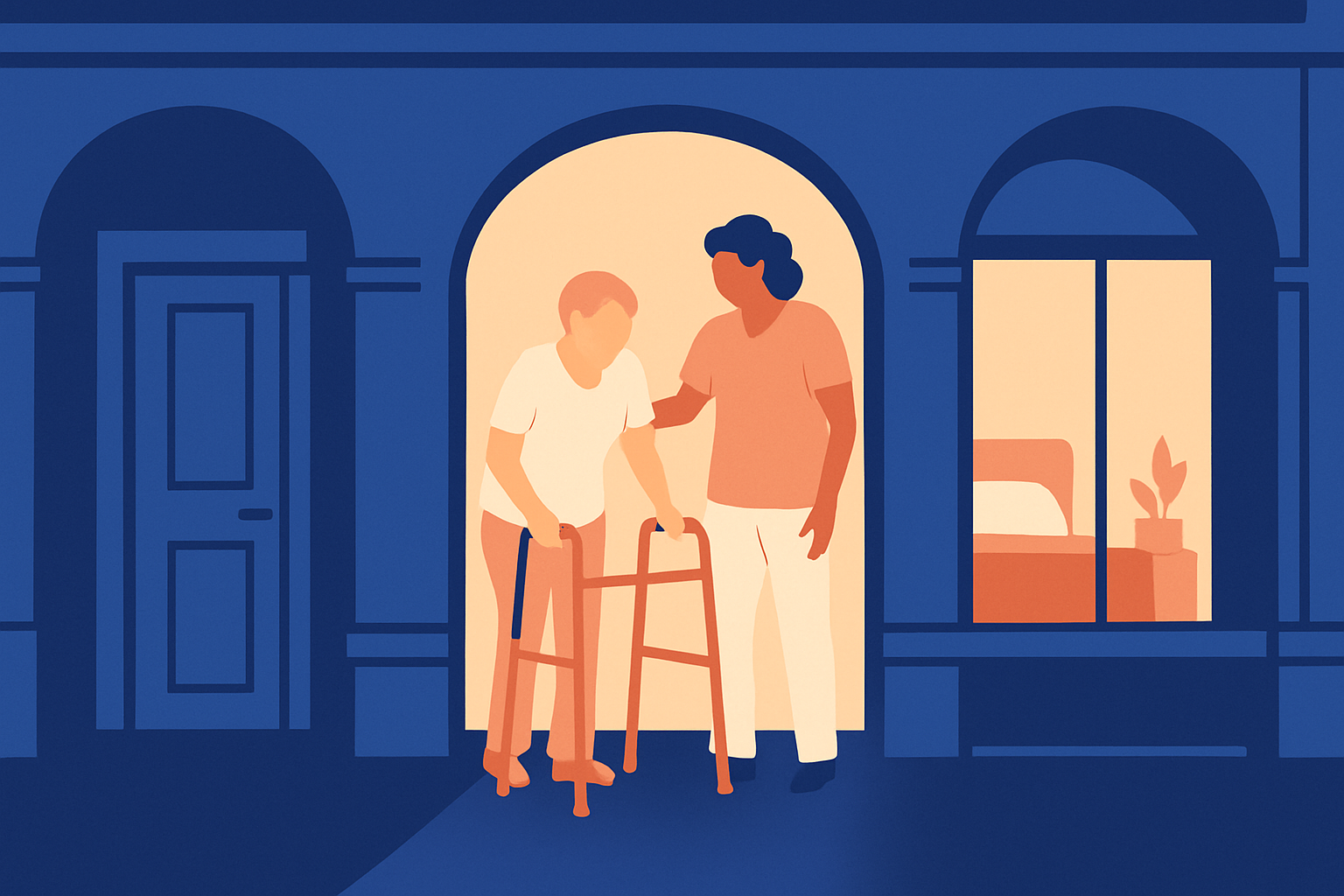
Rehab vs. Nursing Home: What’s the Difference?
Learn the simple differences between rehab centers and nursing homes to help pick the right care for you or your loved one.

Understanding the Different Types of Senior Living: Finding the Right Fit for You or Your Loved One
Aging is a journey, and as we grow older, deciding where and how to live becomes one of the most important decisions we’ll face. The good news? Today’s seniors…

Navigating the Challenges of Aging: Essential Tips for Adult Children Supporting Senior Loved Ones
This blog provides practical advice for adult children caring for aging parents. It emphasizes the importance of open communication, respecting seniors’ indepe…

Lifestyle vs Genetics: Habits vs “God-Given” – What Matters Most in Healthy Aging?
Is it our daily habits or our DNA that shapes how we age? Drawing inspiration from centenarians’ wisdom and the latest science, this post examines the ongoing…

Medicare vs Medicaid: What’s the Difference?
A simple and easy-to-read guide that explains the difference between Medicare and Medicaid, with examples and clear language for all ages.

Staying Connected: How Zoom and Video Calls Help Older Adults Beat Loneliness
Social isolation is a significant concern for many seniors. This article explores how video platforms can help older adults stay socially engaged, reduce lonel…

Stay Active, Stay Independent: Exercise and Wellness Tips for Seniors
Discover how regular exercise and simple wellness habits help seniors maintain independence and boost quality of life. Get practical tips for staying safely ac…

Understanding Independent Living Vs. Assisted Living
Two popular senior living choices are assisted living and independent living. While there are many similarities, there are also some key differences.
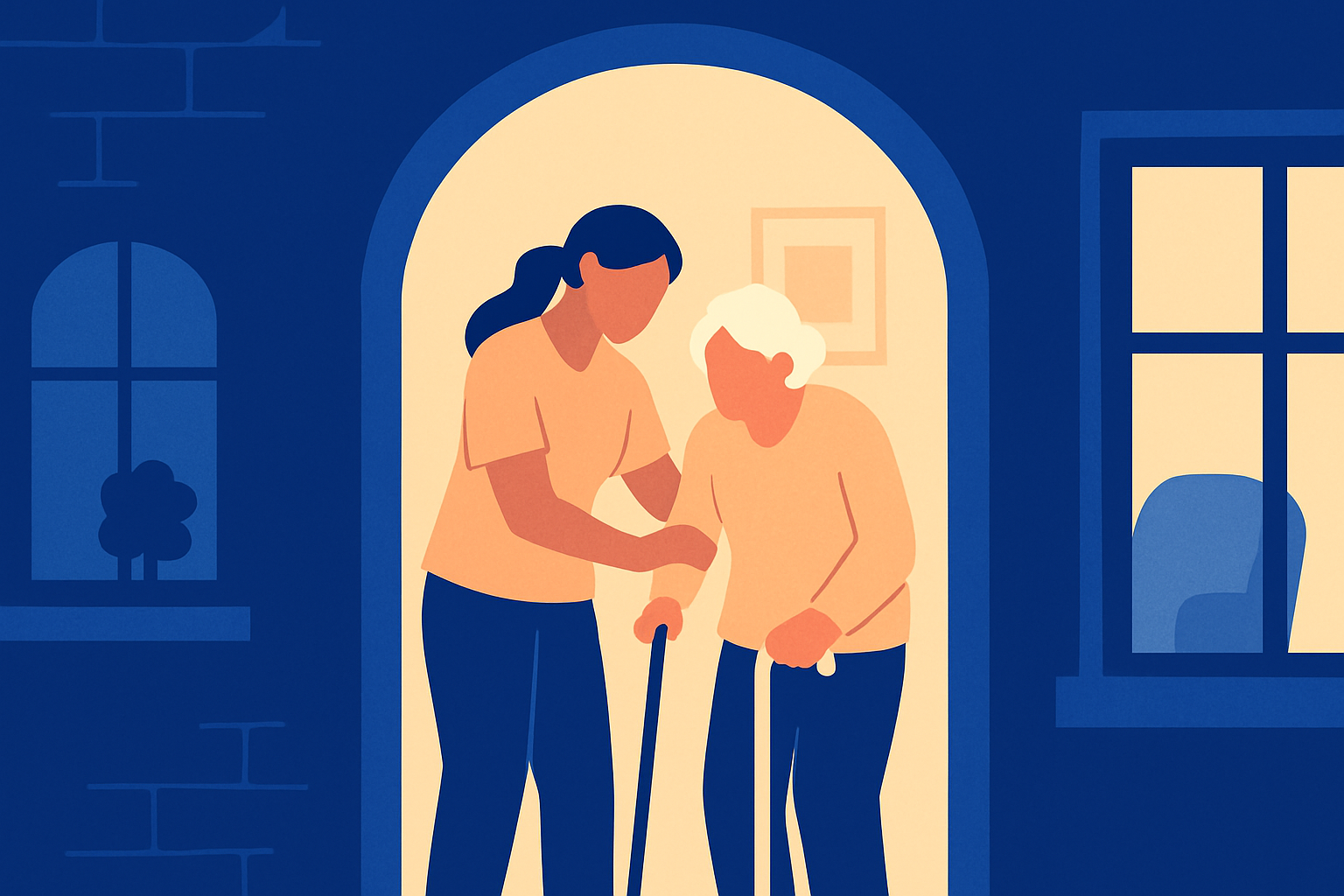
Home Care vs. Home Health: What’s the Difference and Which Is Right for You?
Learn the easy-to-understand differences between home care and home health, why it matters, and tips for choosing the service that fits your needs best. This g…

Thriving Through the Chill: Senior Tips for a Safe, Cozy, and Connected Winter
As the last autumn leaves drift down and crisp air gives way to winter’s chill, a season of both beauty and challenge arrives. For many seniors, winter can bri…

Protecting Yourself from Scams: Staying Informed and Vigilant
As we age, protecting ourselves from scams becomes more important than ever. Scammers are constantly devising new methods to target seniors, taking advantage o…